
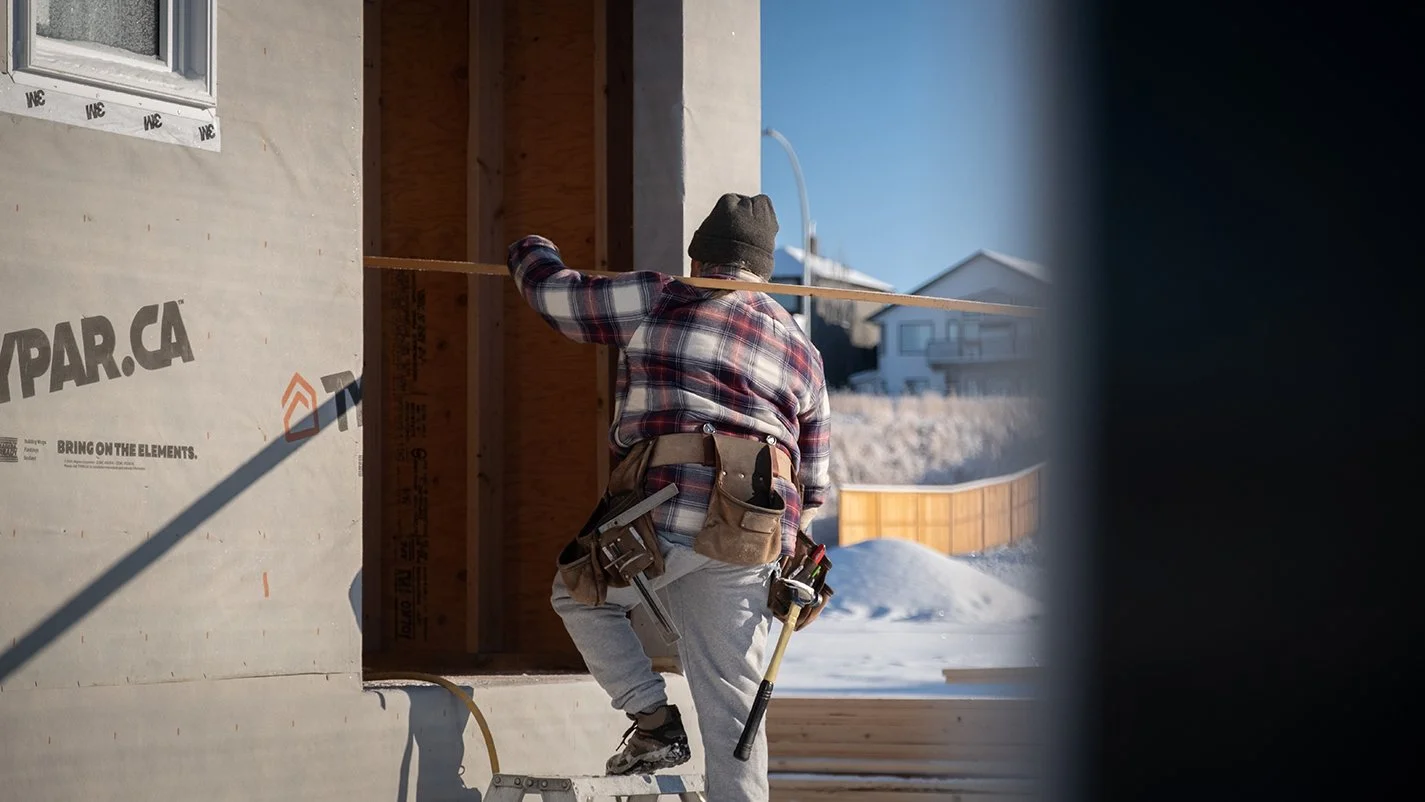
When temperatures drop and the snow begins to settle, many homeowners assume one thing: construction season is over.
It’s a belief that has been passed down for decades—a kind of “old wisdom” that says winter is the worst time to start or continue building a home.
But today’s construction methods, materials, and project-management systems tell a very different story.
In fact, winter can be one of the most efficient, strategic, and cost-effective times to build.
Let’s break down what winter construction really looks like—and clear up a few myths along the way.
Myth #1: “Concrete can’t be poured in winter.”
Truth: Concrete can be poured in winter—and often cures stronger.
Modern builders use insulated blankets, heated ground-thaw equipment, and controlled admixtures to ensure concrete cures properly even in freezing conditions. Winter-poured concrete tends to cure more slowly, which can actually increase long-term strength when managed correctly.
The key is experienced crews who understand cold-weather curing—not the season itself.
Myth #2: “Cold weather slows everything down.”
Truth: Winter often brings more predictable schedules than spring or summer.
Rain delays, muddy job sites, spring thaws, and summer heatwaves are far more disruptive to construction schedules than cold air. Winter brings stable, frozen ground and drier air—factors that actually make it easier to maintain momentum on a build.
With the right planning, winter can be one of the smoothest seasons to stay on schedule.
Myth #3: “Material quality suffers in winter.”
Truth: Materials aren’t affected by temperature—mismanagement is.
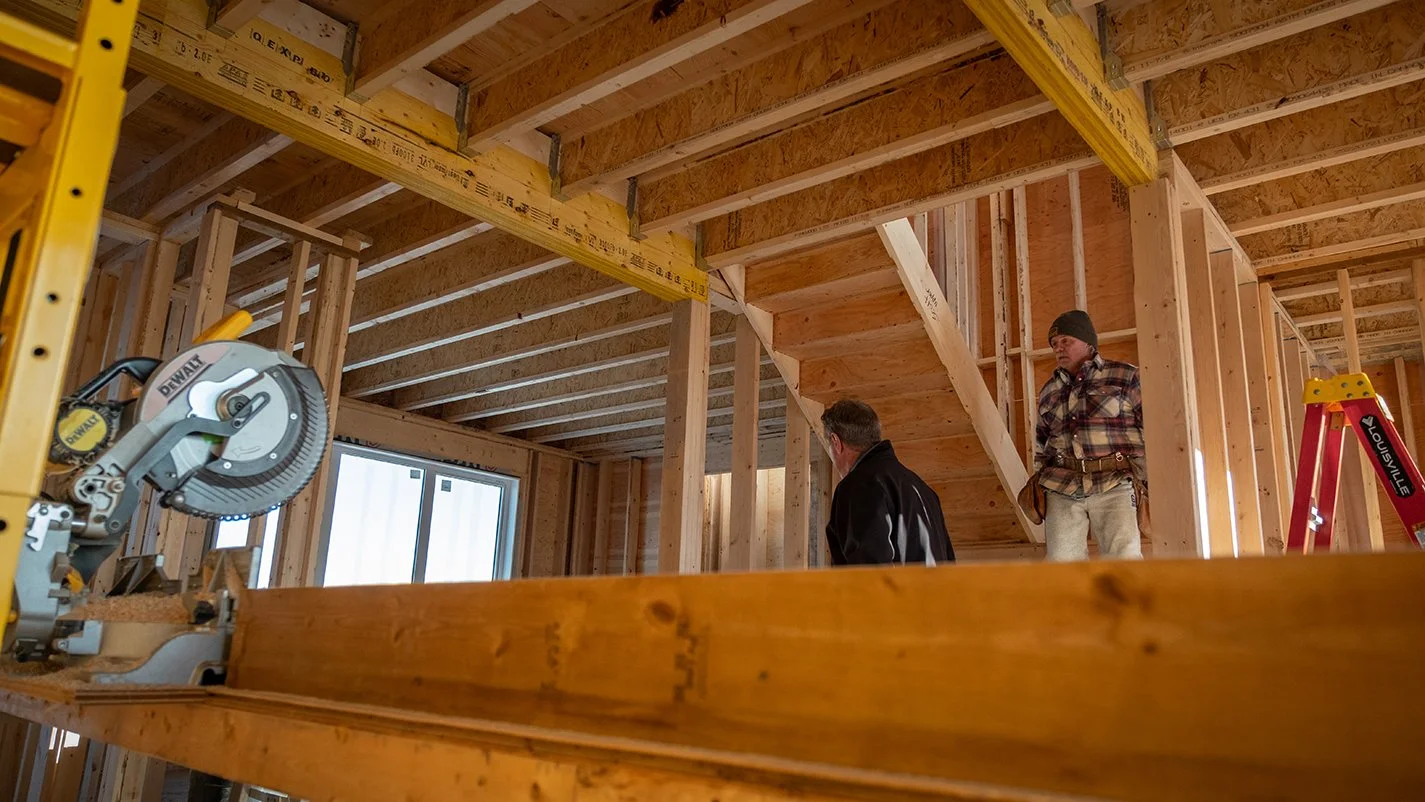
Lumber is stored in climate-controlled environments. Roofing, windows, and exterior components are shipped with winter protection. Crews use heated spaces and temporary enclosures to keep interior materials in perfect condition.
The idea that winter inherently causes material problems is outdated. Good builders protect their products in every season.
Myth #4: “Winter construction is unsafe.”
Truth: Safety protocols—not seasons—determine risk.
Winter construction sites are highly regulated for slip hazards, snow clearance, and equipment operation. Modern gear, traction systems, and heated workspaces all enhance site safety.
Experienced builders treat safety as a year-round discipline, not a seasonal one.
Why Winter Can Actually Be One of the Best Times to Build
1. Faster permitting and inspections
Cities typically have fewer permit submissions in winter, which can translate to quicker approvals and faster inspection turnaround times.
2. Better trade availability
Skilled trades are in high demand during peak summer months. Winter scheduling often opens access to top crews who are less stretched across multiple projects.
3. A head start on the spring rush
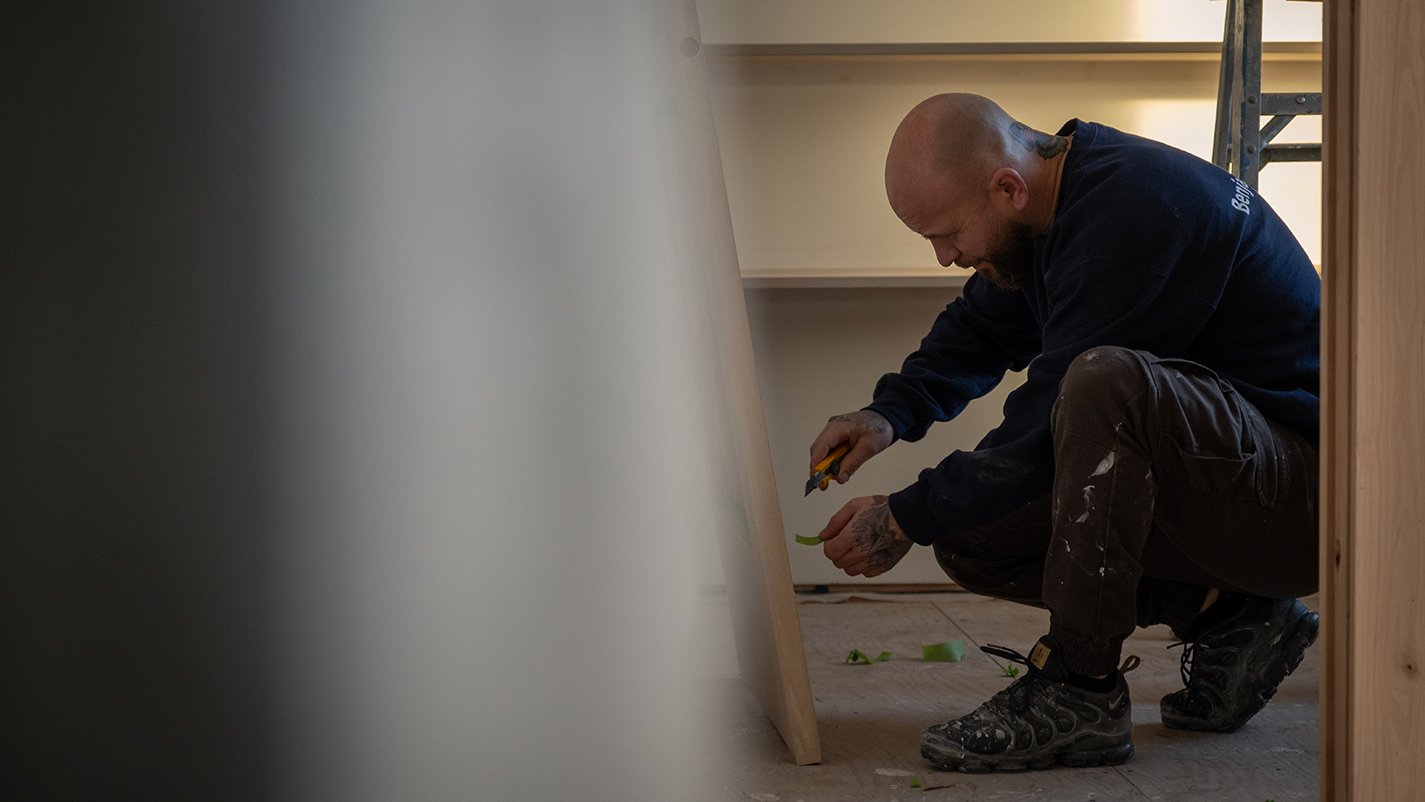
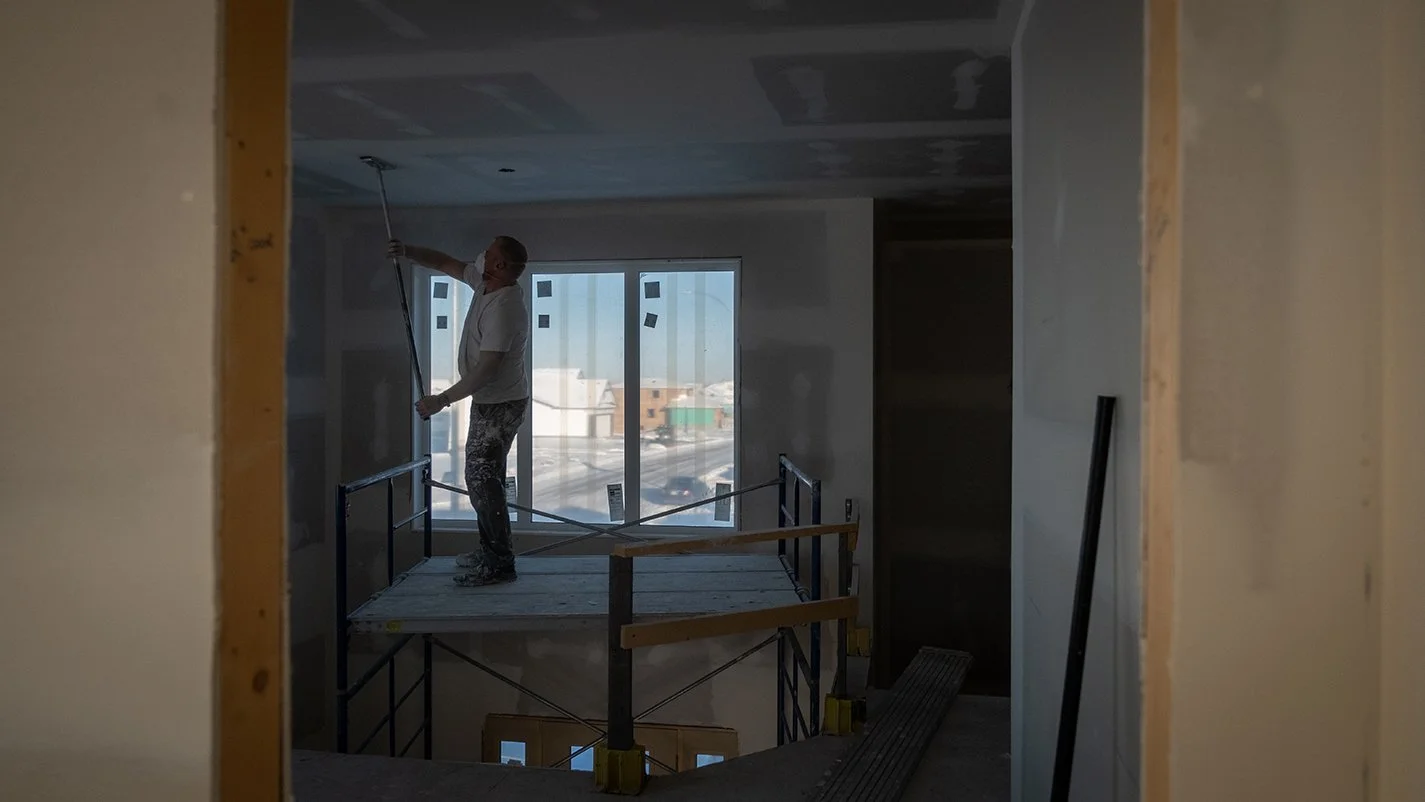
Starting in winter means your home is framed, enclosed, or even well into finishing by the time spring arrives. Instead of waiting months for availability, you’re ahead of the curve.
4. More stable pricing
Material and labor costs can spike in peak season. Winter allows you to lock in pricing before market fluctuations hit.
The Biggest Winter Advantage: Precision
Cold-weather construction demands attention to detail—something reputable builders pride themselves on.
Every step is measured, monitored, and protected. Winter forces discipline, and that discipline shows up in the finished product.
Final Thoughts
Winter is no longer the season to avoid—it’s the season smart homeowners use to their advantage. With modern technology, experienced crews, and the right planning, building in cold weather is not only possible but often preferred.
If you're dreaming up a home build, don’t wait for the thaw.
The best time to begin the journey might be right now.