
We Build to L/480 When Most Don’t
When you walk through a home, you feel it — even if you can’t explain it.
Some floors feel solid and quiet. Others feel slightly bouncy. Flexible. Hollow.
That difference isn’t accidental - it’s structural. And it comes down to something most homeowners have never heard of: Floor deflection.
What Is Floor Deflection?
Deflection is the amount a floor system is allowed to bend under load.
It’s measured as a ratio — commonly written as L/240, L/360, L/480, etc.
“L” represents the span (the length between supports).
The number represents how much that span is allowed to deflect (bend).
For example:
L/360 means a floor can deflect 1 inch for every 360 inches of span.
L/480 means that same floor can only deflect 1 inch for every 480 inches of span.
The higher the second number, the stiffer the floor - this is a good thing.
The Industry Standard: ?
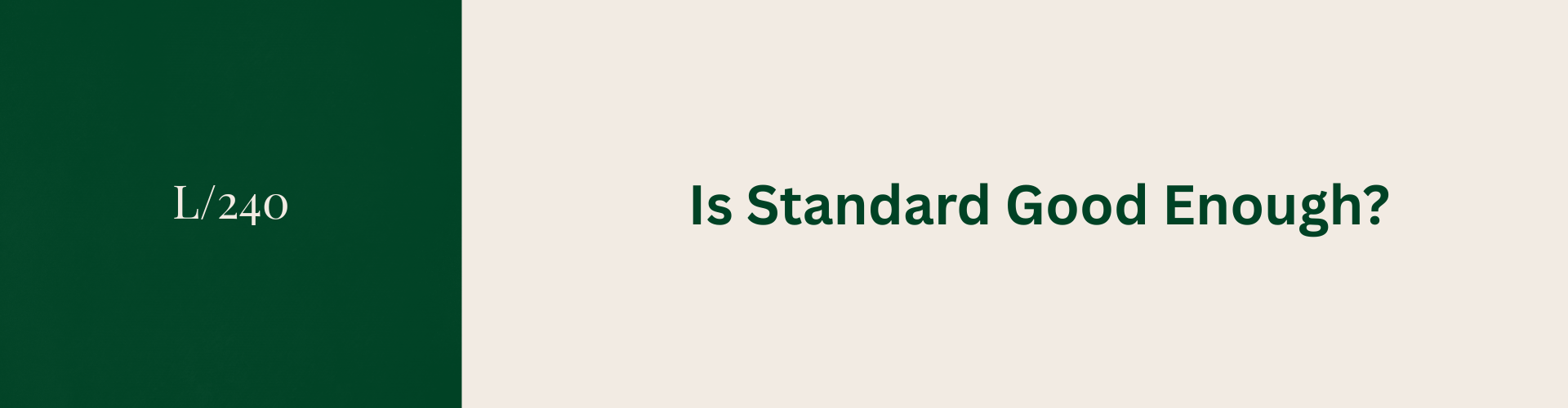
L/240 is technically acceptable under some interpretations of the Alberta Building Code - and you still see this. Many builders have moved up to L/360 in most residential construction.
It meets code - it passes inspection - and is considered “acceptable.”
But acceptable and exceptional are not the same thing.
At L/360, floors may meet structural requirements — but they can still feel slightly springy underfoot, especially over longer spans or in open-concept homes.
Over time, that movement can also contribute to:
Squeaks developing
Drywall cracking
Tile grout fractures
Trim separation
Nail pops
None of this means failure - it simply means movement.
Our Standard: L/480
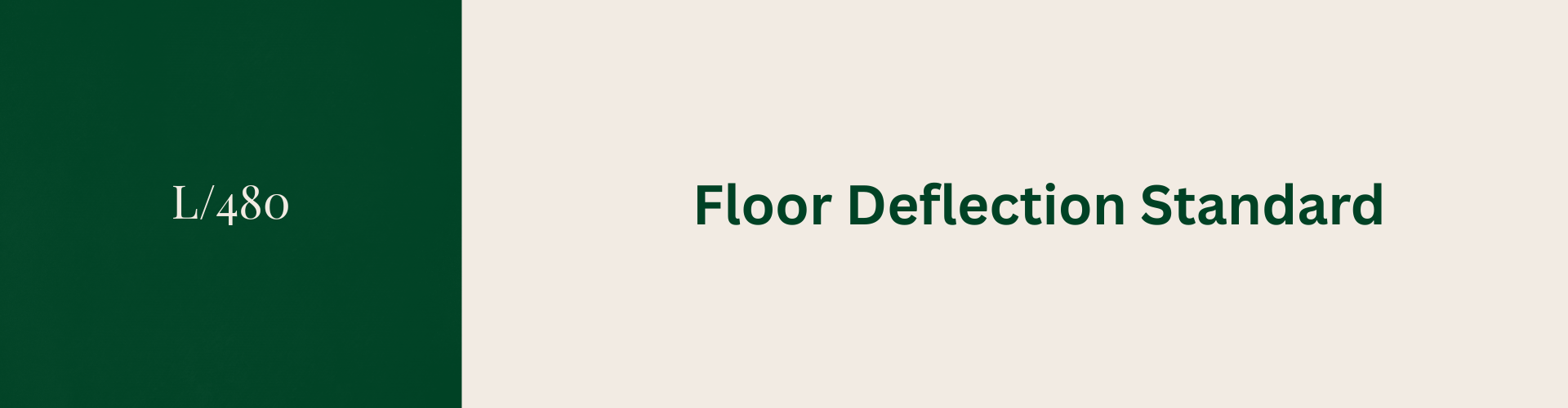
At RAVN Homes, we build our floor systems to L/480. That’s a 50% increase in stiffness over the standard minimum.
What does that mean in real life?
1. A Solid Feel Underfoot
When you walk across an L/480 floor, you don’t feel vibration or bounce.
It feels grounded. Stable. Quiet. That feeling is subtle — but powerful. It’s the difference between a house that feels light and one that feels anchored. And when you're building homes designed to last generations, that matters.
2. Better Performance for Hard Surfaces
Modern homes use more rigid finishes:
Engineered hardwood
Large format tile
Stone surfaces
Custom millwork
Rigid materials don’t like movement. By building to L/480, we reduce some of the potential issues mentioned above.
3. Longevity Built Into the Frame
Every time a floor flexes, materials experience stress. Tiny amounts over long periods add up.
By limiting deflection:
Fasteners stay tighter
Adhesives perform better
Joints remain stable
Noise is reduced long-term
It’s not just about today’s walk-through. It’s about how the home feels 10, 20, even 30 years from now.
Why Most Builders Don’t Do This
Building to L/480 requires:
Larger or engineered joists
Tighter span calculations
More thoughtful structural planning
Higher material costs
It’s not necessary to meet code. But we’re not building to the minimum standard. We’re building to a standard that aligns with how we believe homes should feel and perform.

The Difference You Can’t Always See — But Always Feel
Most people will never ask a builder about deflection ratings.
But they will notice:
How quiet a room feels.
How stable the floor feels beneath them.
How solid the home feels as a whole.
True quality is often hidden inside the structure.
You don’t see it in a showroom - you see and feel it over time.
And that’s why we build to L/480.
Because details matter — even the ones buried beneath your feet.