
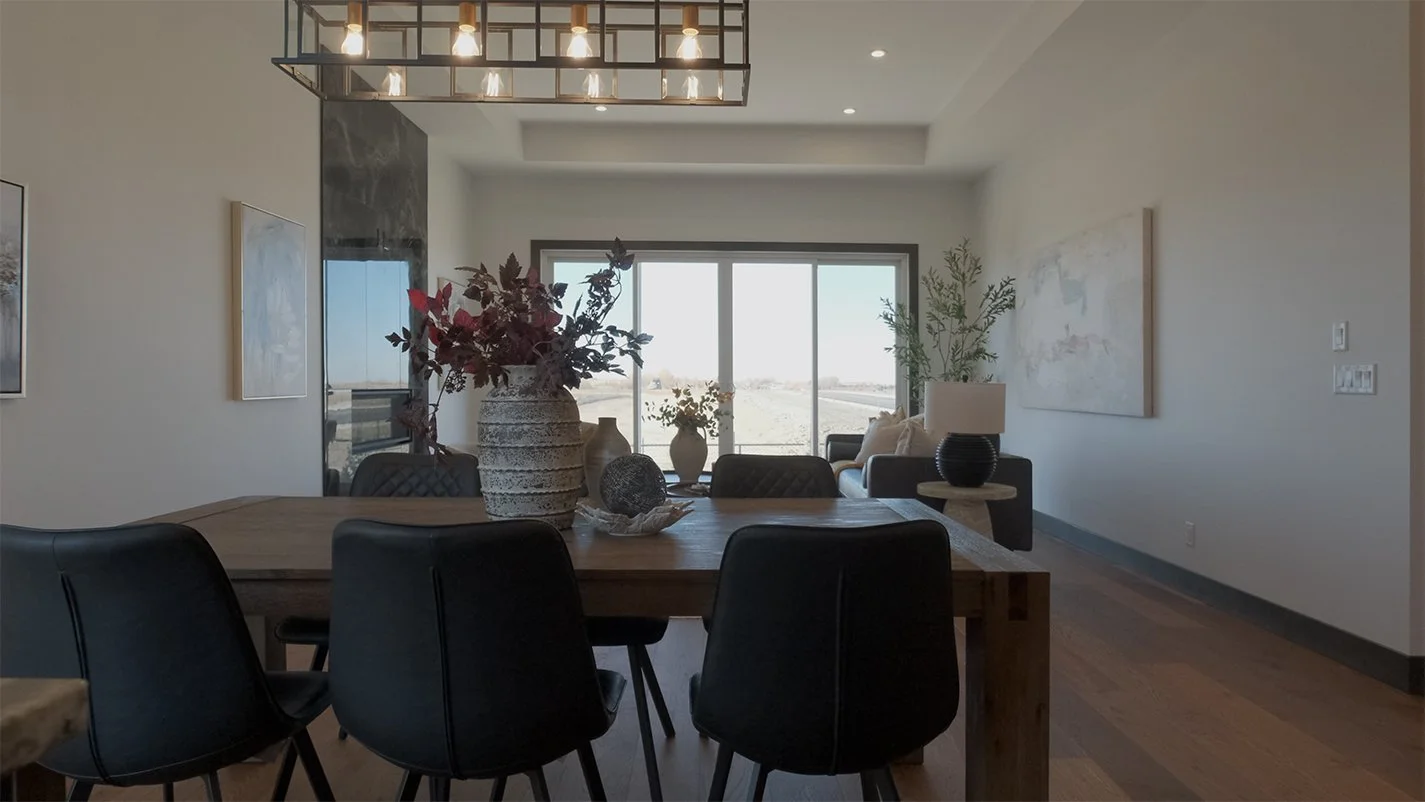
When building a custom home, every detail matters. From the floor plan to the finishes, quality is never compromised. At Scott Alan Custom Projects, one detail we take seriously is the material used for baseboards and window casings. We choose real wood—and here’s why it matters for your home’s beauty, durability, and comfort, especially in winter.
1. Real Wood Handles Seasonal Changes Better
Winter can be tough on your home. Dry indoor air, temperature fluctuations, and heating cycles all cause materials to expand and contract.
Wood: Natural wood adapts to these changes gracefully. It slightly expands or contracts, maintaining a stable and beautiful fit. Over time, this resilience helps prevent cracking, warping, or separation at joints.
MDF: Medium-Density Fiberboard is engineered wood, which doesn’t expand or contract as naturally. In winter, MDF can be more prone to cracking or bowing under dry heat, and moisture exposure can cause swelling or permanent damage.
Choosing wood means your trim continues to look flawless year after year, even through the coldest months.
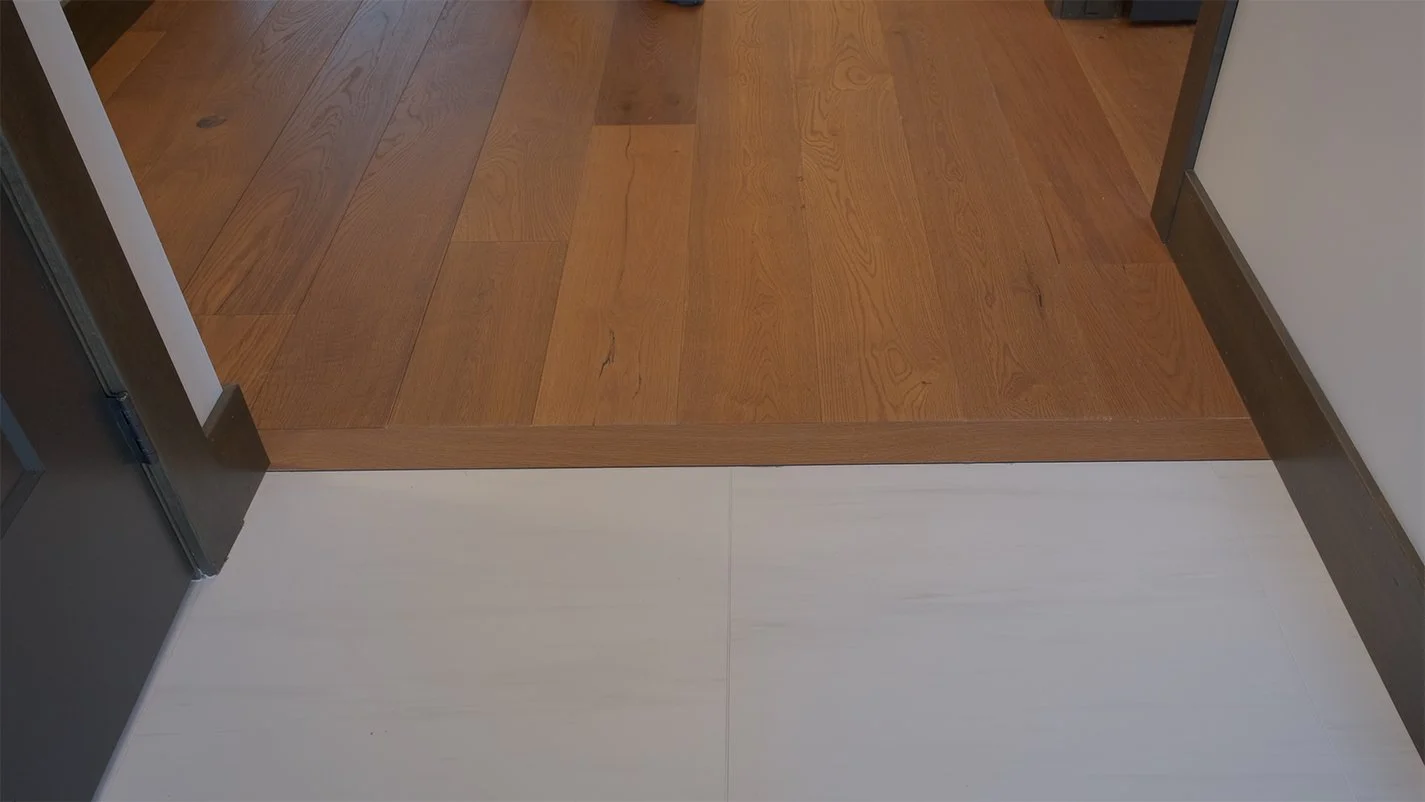
2. Superior Strength and Durability
Baseboards and window casings aren’t just decorative—they protect walls and window edges from daily wear.
Wood: Offers superior impact resistance. A scuff from furniture or the occasional bump won’t dent or break it as easily.
MDF: Softer and less durable. Even minor bumps can leave permanent marks, and repairs are often more noticeable.
Durable wood keeps your home looking polished and maintains the integrity of your finishes, which is especially important in high-traffic areas during winter, when coats, boots, and snow bring extra wear.
3. Timeless Beauty and Customization
A custom home deserves trim that looks and feels luxurious.
Wood: Can be painted, stained, or finished in countless ways while still retaining a natural richness and texture. It can be crafted into intricate profiles and shapes that MDF simply can’t match.
MDF: Limited in detail, texture, and longevity. Paint may look smooth initially, but edges can chip and wear more easily, especially with seasonal humidity changes.
Choosing wood allows us to craft baseboards and casings that complement your home’s design, adding warmth and sophistication—even on the coldest days.
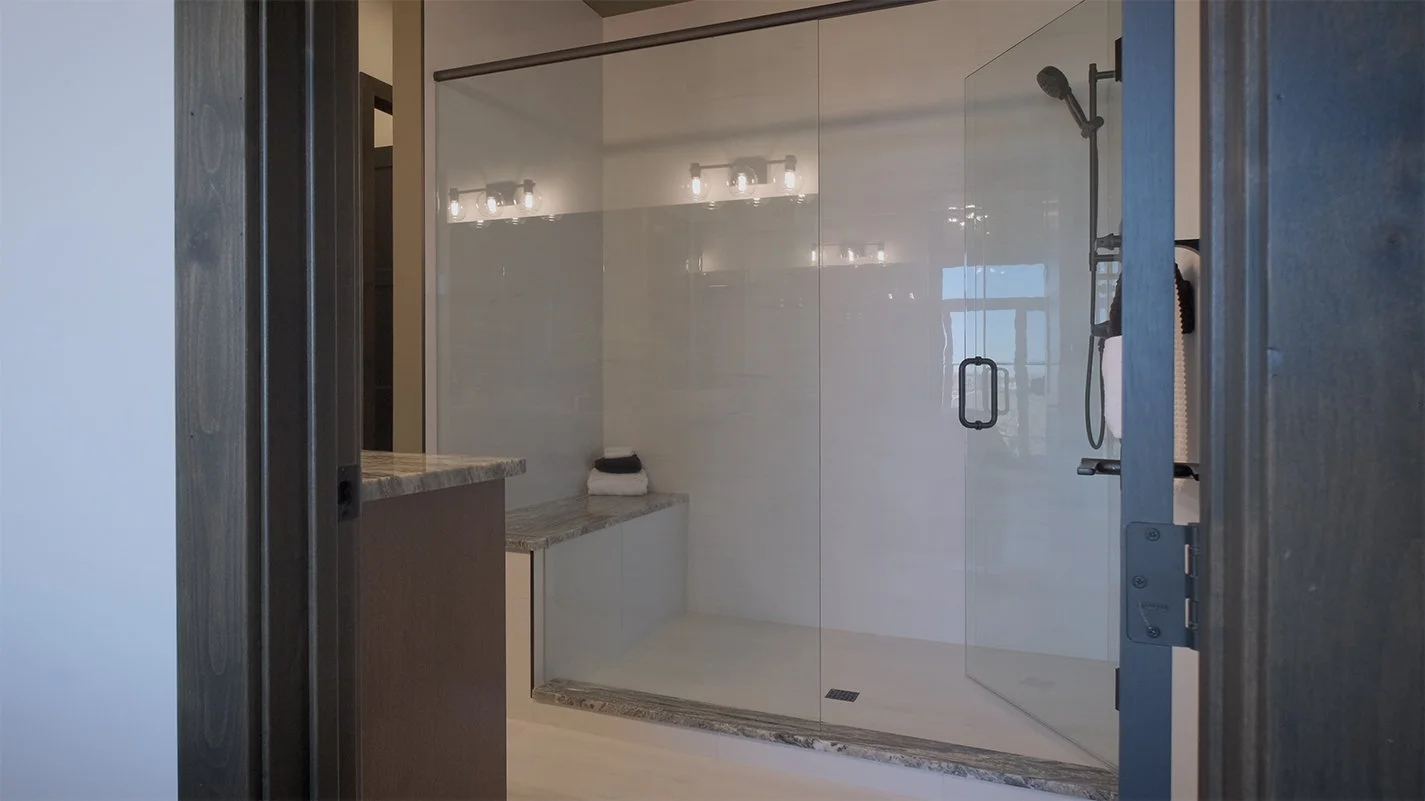
4. Healthier, Longer-Lasting Material
MDF contains adhesives and formaldehyde-based resins, which can off-gas—especially in heated winter air.
Wood: A natural material with no off-gassing, providing a healthier indoor environment for you and your family.
MDF: Off-gassing can be more noticeable when heaters are running, potentially affecting indoor air quality.
With real wood, your home is not only beautiful and durable but also safer and more comfortable during winter months.
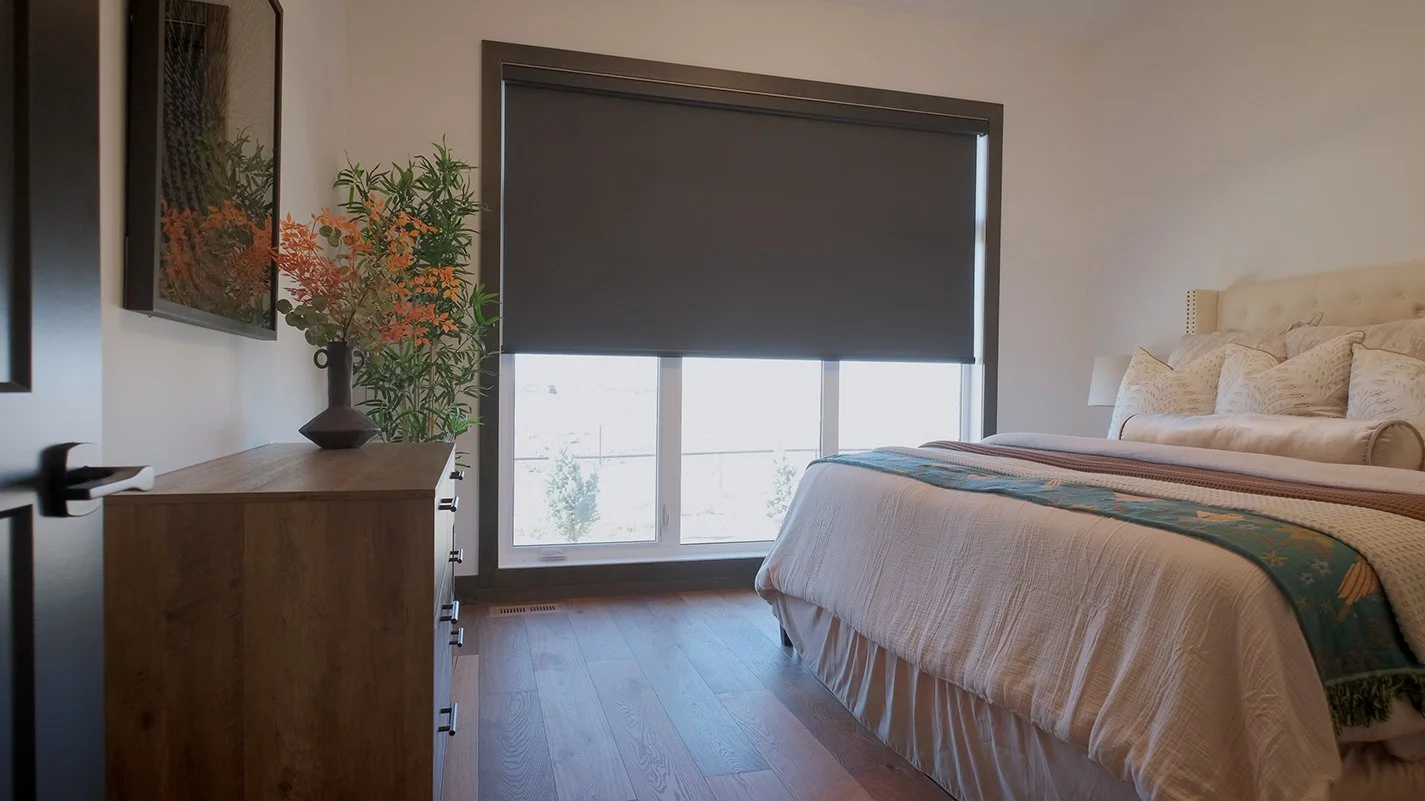
Why This Matters in the Winter
Winter emphasizes the differences between wood and MDF:
Dry heat can cause MDF to shrink, crack, or warp, while wood adapts naturally.
Wood retains its integrity under temperature fluctuations, ensuring your trim continues to look crisp and precise.
Wood’s durability protects your home from winter wear-and-tear, from snow boots at the door to furniture shifts during cozy gatherings.
In short, choosing wood for your trim isn’t just an aesthetic decision—it’s a long-term investment in your home’s performance, beauty, and comfort.
At Scott Alan Custom Projects, we believe every detail in your home matters. From baseboards to window casings, using real wood ensures your home looks exceptional and performs beautifully—through winter, summer, and every season in between.