
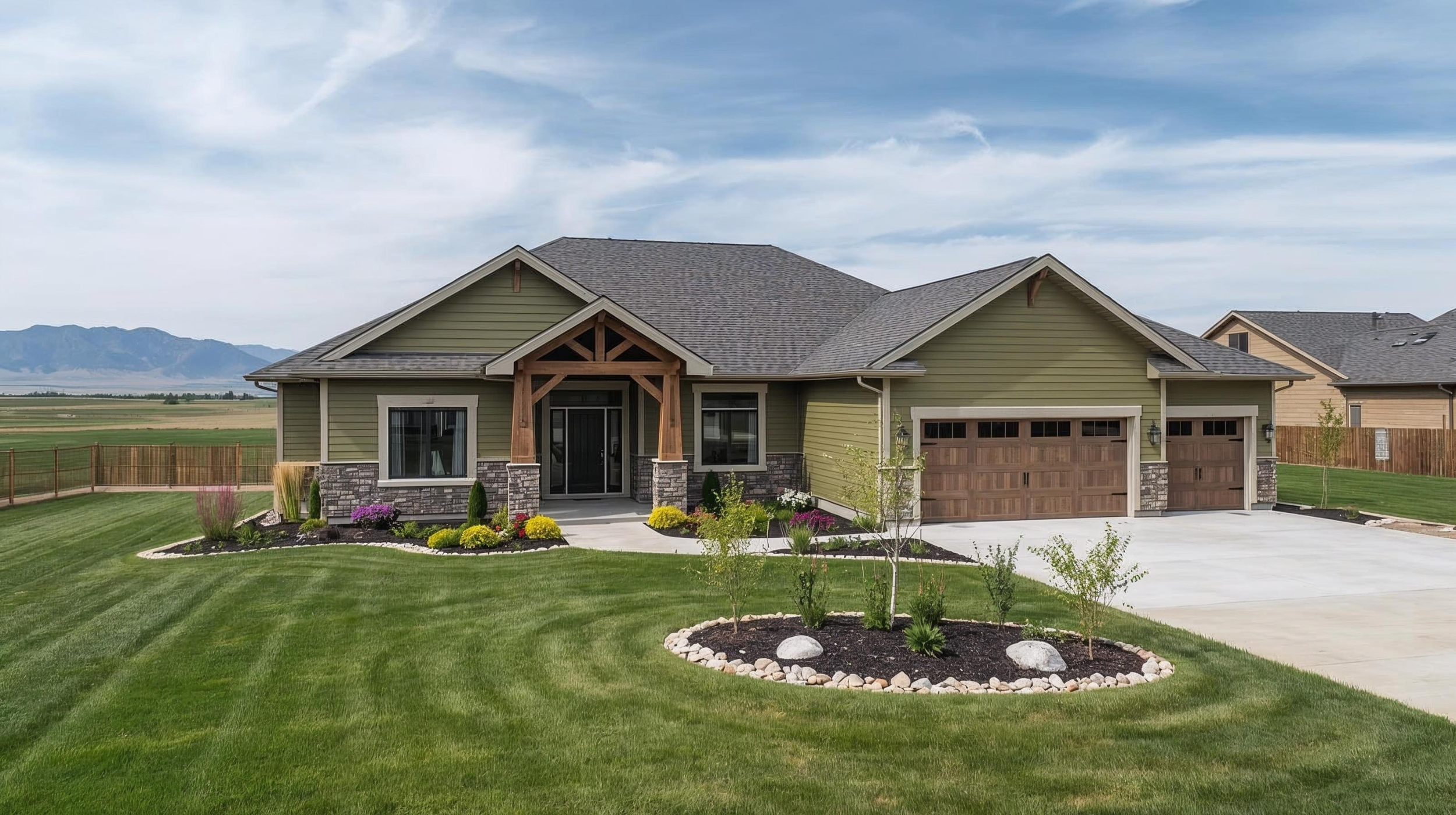
2026 is now here, and the world of home building and design is evolving faster than ever — led by a deeper desire for comfort, sustainability, wellness, and individuality. Here’s a peek at the top trends shaping residential design and home building in 2026, and how they’re transforming the future of home living.
*all images are conceptual and not intended to represent actual homes
1. Sustainability Continues to be a Focus
More than ever, homeowners and builders are looking at eco-friendly design and construction. Sustainable homes construction is becoming more popular — not just a niche choice — as people look for durability, lower environmental impact, and healthier living spaces. Look for:
High-performance thermal envelopes and energy-efficient systems that minimize heating/cooling needs.
Rainwater harvesting, solar integration where it makes sense, and renewable energy readiness.
Recycled and eco-friendly materials woven into both structure and finishes. Engineered bamboo, reclaimed wood, and biopastics, to name a few.
These aren’t just trends that are likely to continue into the foreseeable future.
2. Flexible, Multi-Use Living Spaces
The era of strictly defined rooms is waning. Whether for working from home, hosting guests, or accommodating extended family, flexible spaces are taking center stage:
Multipurpose rooms that shift from office to guest suite to hobby zone are on the rise as more people work from home; flexibility is becoming a top priority.
Hidden storage and adaptable layouts that make every square foot count. Having enough storage always seems to be a top-of-mind issue, and this is likely to go unchanged.
Families today want homes that adapt — not constrain — their daily lives.
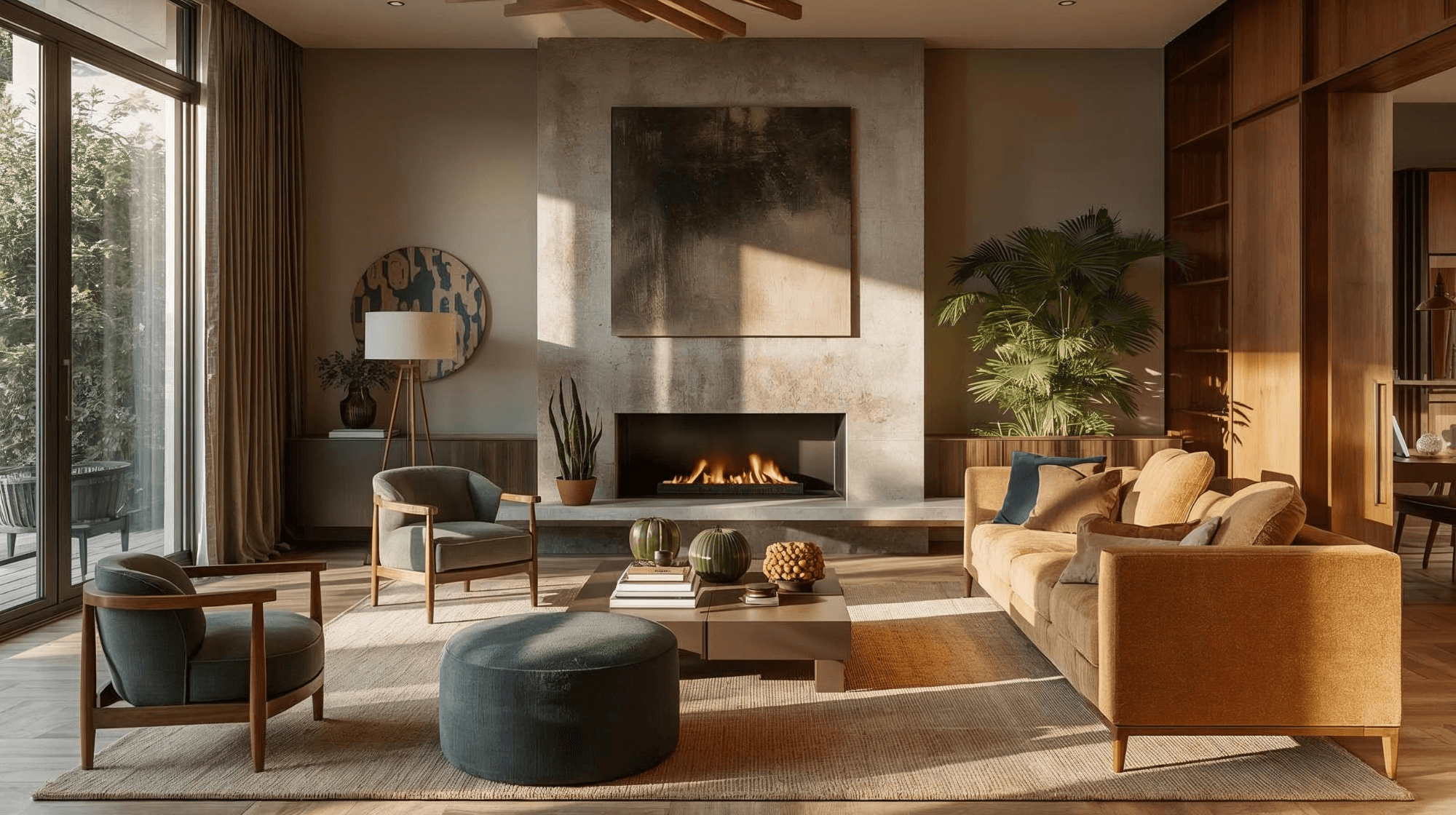
3. Warm, Earthy Aesthetics Replace Sterile Minimalism
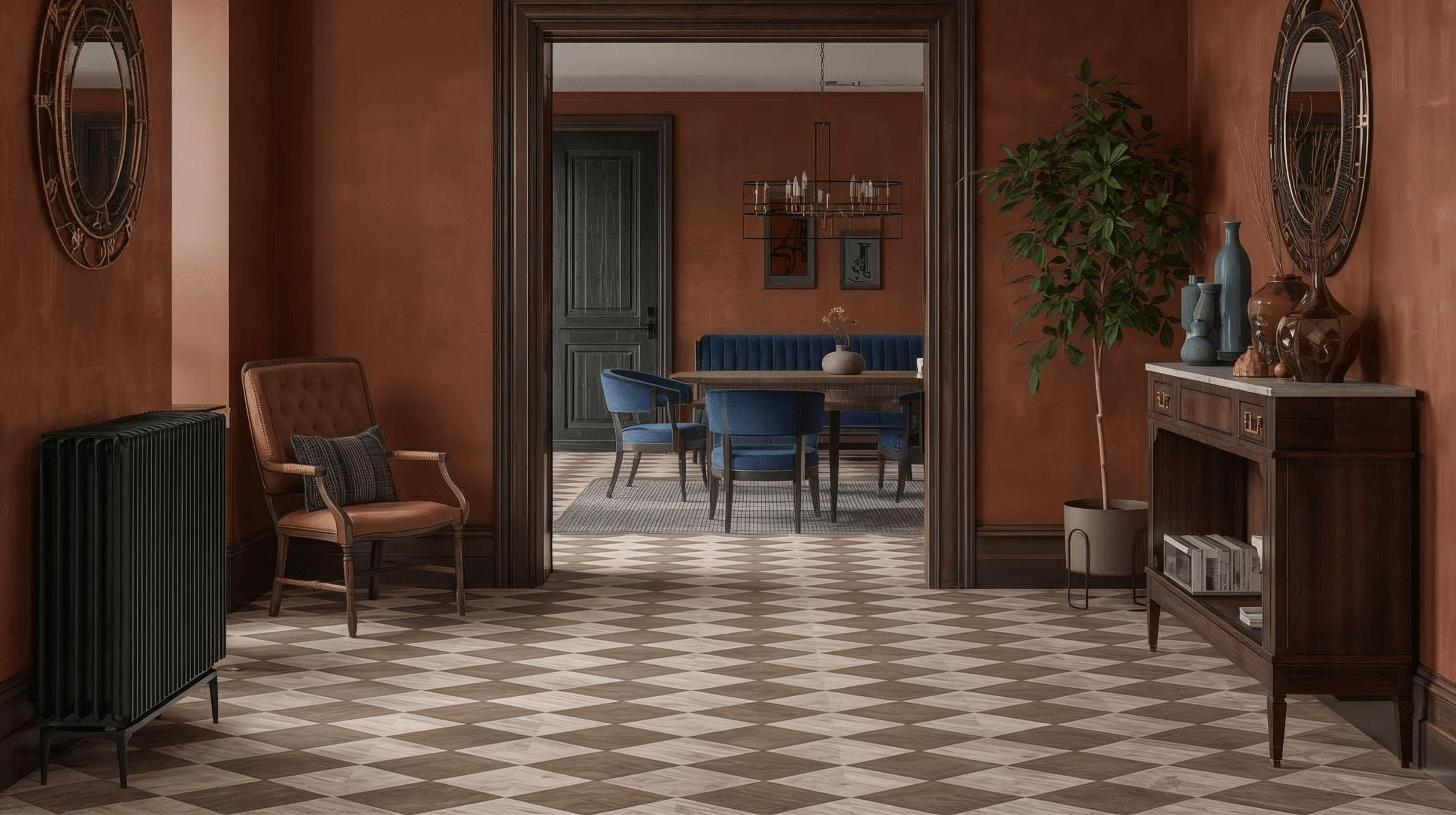
After years of cool neutrals (think white) and stark minimalism, 2026 is ushering in a warmer, more tactile design story:
Earthy tones like olive greens, clay, rich caramels, and deep blues are in demand.
Monochromatic color-drenched spaces — walls, trim, and ceilings in cohesive hues — add depth and comfort.
This shift isn’t just cosmetic — it reflects a growing desire for homes that feel alive, personal, and grounded. Homes that reflect not only how you live, but who you are.
4. Organic Shapes & Curves — Softness Over Sharp Angles
Architecture and interior design are embracing organic forms that bring a sense of calm and sculptural beauty:
Arched hallways, curved countertops, and rounded furniture soften visual tension.
Rounded design elements promote a more relaxed atmosphere that resonates with comfort-first living.
This trend infuses spaces with both sophistication and ease.
5. Wellness-Centered Home Design
In 2026, wellness is design. After the past decade’s focus on finishes and aesthetics, homeowners are prioritizing spaces that nourish body and mind:
Spa-inspired bathrooms, dedicated meditation or yoga nooks, workout rooms, and improved indoor air quality systems.
Biophilic design with abundant natural light, plants, and natural materials — proven to boost comfort and mental wellbeing.
Wellness isn’t a luxury — it’s a foundation of thoughtful, human-centric design.
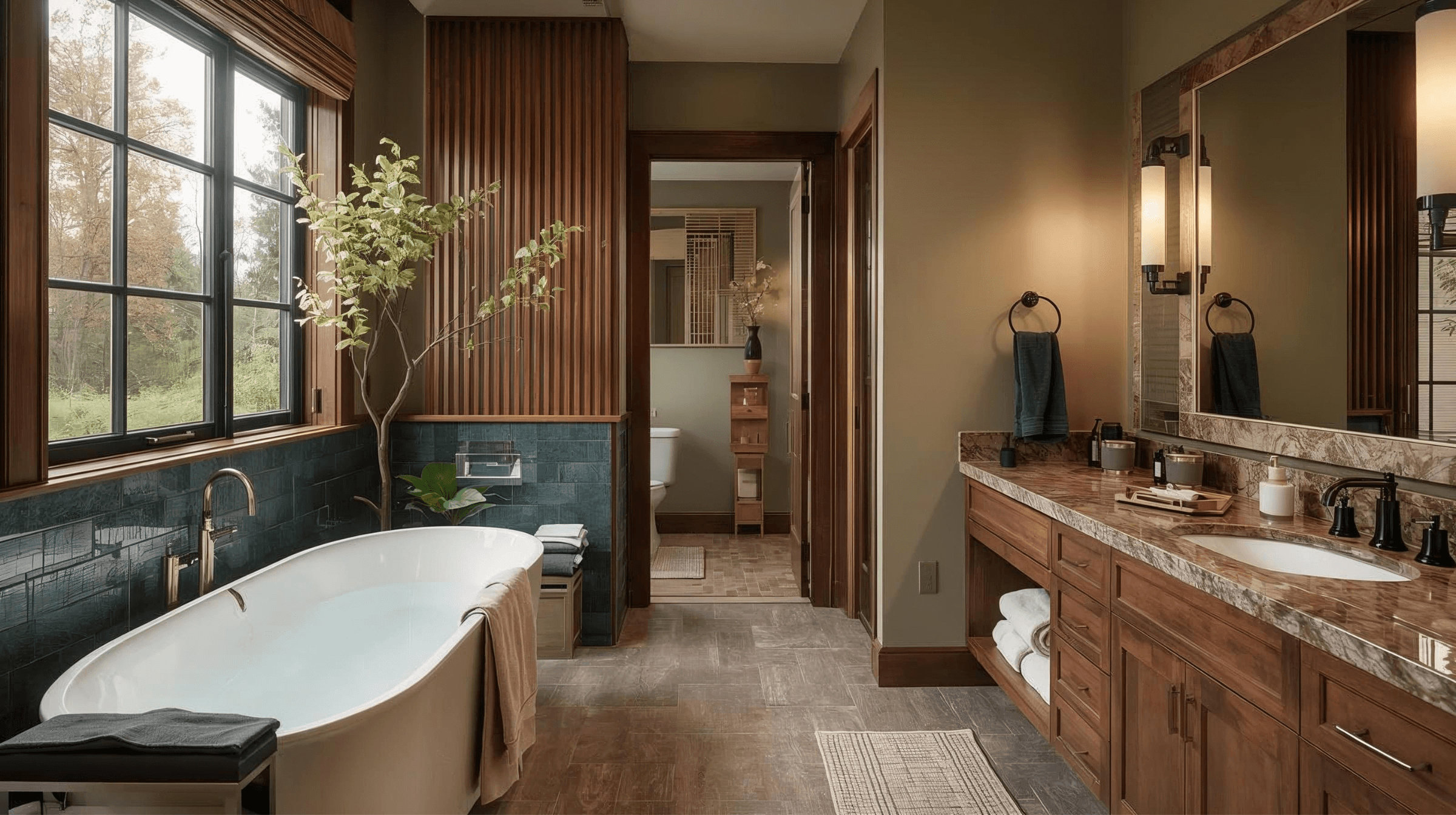
6. Biophilic Design & Indoor-Outdoor Living Seamlessness
As life gets busier, connection to nature becomes more essential:
Expansive glazing and larger windows bring daylight deep into living spaces.
Outdoor living spaces — from terraces to garden rooms — blur the boundaries between inside and outside. A continuously growing trend as people try to get back to nature.
Interior Spaces - bringing biophilic design indoors helps foster a greater connection to nature, such as in living walls.
This alignment with nature fosters calm, reduces stress, and enhances daily comfort.
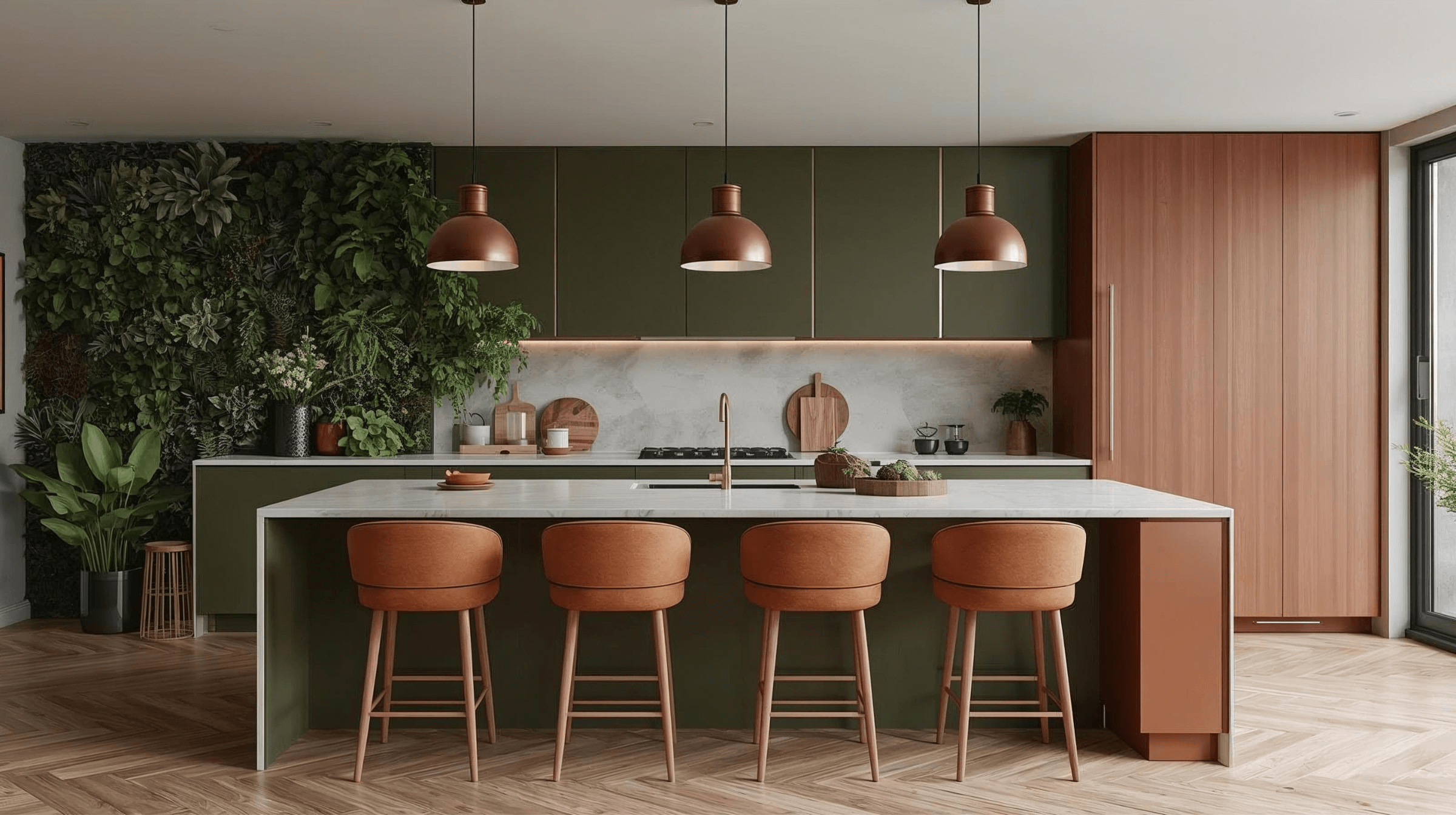
7. Natural Materials & Artisanal Touches
True luxury in 2026 leans away from mass-produced materials and toward the authentic and artisanal:
Natural stone continues to be a focus (think granite, marble) bring us back to nature while adding some quiet drama.
Reclaimed wood, handcrafted finishes, and imperfect, character-rich materials enrich spaces with depth and added story to a home.
These elements create homes that add a greater story and timelessness.
8. Return of Pattern and Detail
From classic checkerboard flooring to textured tile and layered window treatments, 2026 design embraces character:
Checkerboard tile is resurging with modern colorways.
Layered window treatments add depth and nuance to windows, making them design features — not just functional elements.
Looking Ahead: What This Means for YOU.
A shift is happening. Home owners are getting back to nature, textures in materials, and stepping away from the everyday white. People want their living spaces to have depth, warmth, health, sustainability, and flexibility. Whether you’re building a custom home or planning a renovation, integrating these trends thoughtfully ensures your home feels future-ready, timeless, and built with YOU in mind.